
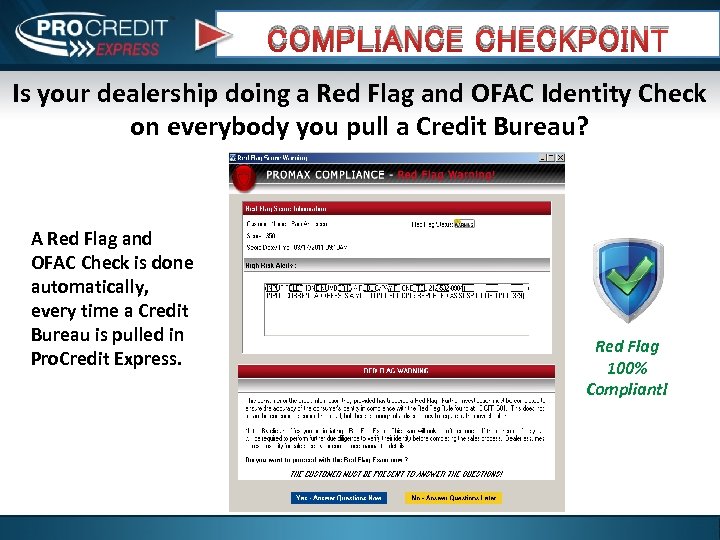
Understanding the regulations set by the Office of Foreign Assets Control (OFAC) is crucial for businesses involved in international transactions. Failure to comply with these regulations can lead to severe penalties and reputational damage. This article delves into the red flags that signal potential OFAC violations, helping organizations stay compliant. For more insights on common OFAC violation risks, visit red flags for OFAC violations https://xticketz.com/media/pgs/common-ofac-violation-risks.html.
The Office of Foreign Assets Control is a financial intelligence and enforcement agency of the U.S. Treasury Department. OFAC administers and enforces economic and trade sanctions against targeted foreign countries and regimes, terrorists, international narcotics traffickers, and those engaged in activities related to the proliferation of weapons of mass destruction. Organizations must develop compliance programs to prevent inadvertent violations of U.S. sanctions.
OFAC violations occur when individuals or entities engage in prohibited transactions, which can include financial transactions, exporting goods, or providing services to sanctioned countries or individuals. This can happen knowingly or unknowingly, and the consequences can be severe, ranging from hefty fines to imprisonment for involved individuals. Therefore, recognizing the signs of potential violations is paramount for compliance.
Organizations should be vigilant and watch for specific red flags that could indicate potential OFAC violations. These signs can originate from various sources, including customer transactions, supplier relationships, and market behavior. The key red flags include:
Transactions that involve unusual payment methods or structures should raise immediate concerns. For example, transactions that are routed through countries with known sanctions lists or those that involve multiple intermediaries may suggest attempts to obscure the true nature of the transaction.
If a client or business partner operates in or has connections to high-risk jurisdictions, this could indicate a greater likelihood of facing OFAC scrutiny. Countries that are heavily sanctioned often have limited economic activities, and businesses operating in these areas should be thoroughly vetted.
When customers provide vague or incomplete information, especially regarding their identity, business purpose, or transaction details, this can be a substantial red flag. Legitimate businesses typically provide clear and comprehensive information about their operations.
Conducting transactions with individuals or entities on OFAC’s Specially Designated Nationals (SDN) list is a clear violation of sanctions and should always be treated with utmost seriousness. Regularly screening transactions and clients against OFAC lists is essential in identifying these issues early.
Businesses using code names or operating through shell corporations may be attempting to conceal the true ownership of assets or the purpose of transactions. This tactic is often used to evade compliance checks and should be viewed as a significant warning sign.
Engaging with suppliers or partners that have unverified backgrounds, especially those with links to sanctions or illicit activities, poses a significant risk. Companies should conduct due diligence to verify the credibility of their partners.
To effectively manage OFAC compliance, organizations must implement comprehensive risk mitigation strategies. A proactive compliance program should include:
Employees should receive regular training on OFAC regulations and compliance practices. Awareness of red flags enhances the organization’s ability to identify potential issues before they escalate.
Conducting thorough due diligence on clients, suppliers, and partners is critical. This includes ongoing monitoring of transactions and relationships for any changes that may indicate compliance risks.
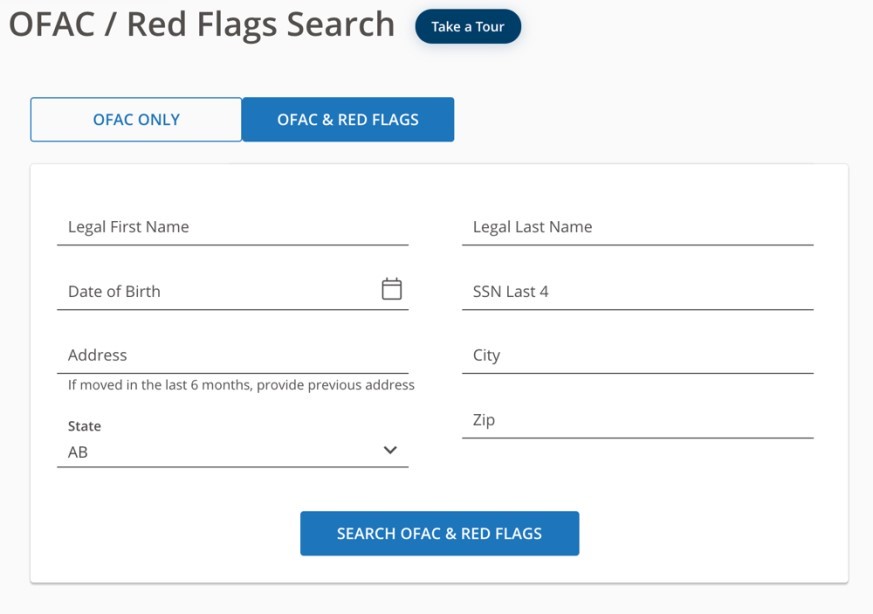
Leveraging technology and software designed for compliance screening can streamline the process of identifying high-risk transactions and sanction hits. These tools can automatically flag transactions requiring further review.
A structured compliance program should outline roles and responsibilities within the organization related to OFAC compliance, including processes for reporting and escalating concerns about potential violations.
Understanding the red flags associated with OFAC violations is essential for any business engaged in international trade. By recognizing potential risks and implementing effective compliance strategies, organizations can protect themselves from the severe consequences of non-compliance. Continuous education, stringent due diligence, and proactive monitoring are key components of an effective compliance program. In doing so, businesses can not only fulfill their legal obligations but also maintain their reputation in an increasingly complex global marketplace.