

Welcome to the exciting world of forex trading, where currencies are bought and sold for profit. As a beginner, it can be overwhelming to understand the market dynamics, but with the right guidance and resources, you can become a confident trader. One useful resource to consider when starting your journey is beginner forex trading Trading Brokers in Vietnam, which can help you choose a suitable trading broker for your needs.
Forex trading, short for foreign exchange trading, involves exchanging one currency for another to profit from fluctuations in exchange rates. The forex market is the largest financial market in the world, with an average daily trading volume exceeding $6 trillion. Unlike stock markets, which have specific opening and closing hours, the forex market operates 24 hours a day, five days a week, allowing traders to engage in trading at any time.
As a beginner, the first step to entering the forex market is to educate yourself about how it works. Here are some essential concepts you should familiarize yourself with:
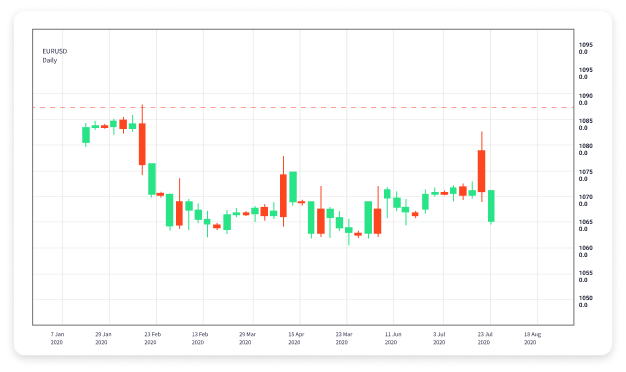
In forex trading, currencies are traded in pairs. A currency pair consists of a base currency (the first currency) and a quote currency (the second currency). For example, in the currency pair EUR/USD, the Euro is the base currency, and the US Dollar is the quote currency. Traders speculate on whether the base currency will appreciate or depreciate against the quote currency.
A pip is the smallest price movement available in the forex market. In most currency pairs, a pip is equal to 0.0001. A lot is a measure of the quantity of the currency being traded. The standard lot size is 100,000 units of the base currency. Beginners can also trade mini lots (10,000 units) and micro lots (1,000 units) to manage risk more effectively.
The spread is the difference between the buying (ask) and selling (bid) prices of a currency pair. Understanding spreads is crucial because they affect your trading costs. Leverage allows traders to control larger positions with a smaller amount of capital. While leverage can amplify profits, it also increases potential losses, making risk management essential.
Selecting the right forex broker is critical for your success as a trader. Here are some factors to consider when choosing a broker:
Ensure that the broker is regulated by a reputable authority. Regulatory bodies, such as the Financial Conduct Authority (FCA) in the UK or the Commodity Futures Trading Commission (CFTC) in the US, enforce standards that protect traders. Always verify the broker’s regulatory status before opening an account.
A user-friendly and reliable trading platform is essential for executing trades efficiently. Popular platforms like MetaTrader 4 (MT4) and MetaTrader 5 (MT5) offer advanced charting tools, technical indicators, and automated trading options. Test the platform through a demo account to ensure it meets your trading needs.
Good customer support can make a significant difference, especially when you encounter issues. Choose a broker that offers timely and helpful customer service. Look for brokers that provide multiple support channels, such as live chat, email, and phone support.
A well-defined trading strategy is crucial for success in the forex market. Here are some popular trading strategies beginners can consider:
Day trading involves opening and closing positions within the same trading day. Day traders capitalize on short-term price movements and may make multiple trades throughout the day. This strategy requires quick decision-making and a thorough understanding of market trends.
Swing trading is a medium-term strategy that involves holding positions for several days to capitalize on price swings. Swing traders analyze market patterns and trends to make informed decisions based on technical analysis.

Scalping is a short-term trading strategy that involves making small profits from numerous trades over a short period. Scalpers focus on small price movements and require a high level of discipline and quick execution to be successful.
Managing risk is crucial in forex trading, as it helps protect your capital and minimize losses. Here are some effective risk management strategies:
Stop-loss orders automatically close your position once a specific price level is reached, helping you limit potential losses. Always set stop-loss orders for each trade to ensure you don’t risk more than you can afford to lose.
Position sizing refers to determining the amount of capital to risk on a single trade. A general rule of thumb is to risk no more than 1-2% of your trading capital on a single trade. This approach helps protect your account from significant losses.
Emotional trading can lead to impulsive decisions, resulting in losses. Stick to your trading plan and avoid making trades based on fear or greed. Consider journaling your trades to analyze your decisions and improve your trading psychology over time.
The forex market is constantly evolving, and staying informed is key to maintaining your trading edge. Regularly consume educational content, attend webinars, and follow reputable traders and analysts to stay updated on market trends and trading strategies.
Entering the forex market as a beginner can be daunting, but with the right knowledge, strategy, and support, you can navigate the complexities of trading successfully. Take the time to educate yourself about the market, choose a reputable broker, and develop a solid trading plan that incorporates risk management. Remember, successful trading is a journey, and continuous improvement is crucial. Happy trading!